I started by taking my own bass apart.
The full story behind Dan's Guitar Works: player, apprentice, showroom manager, repair technician, and Denver musician.
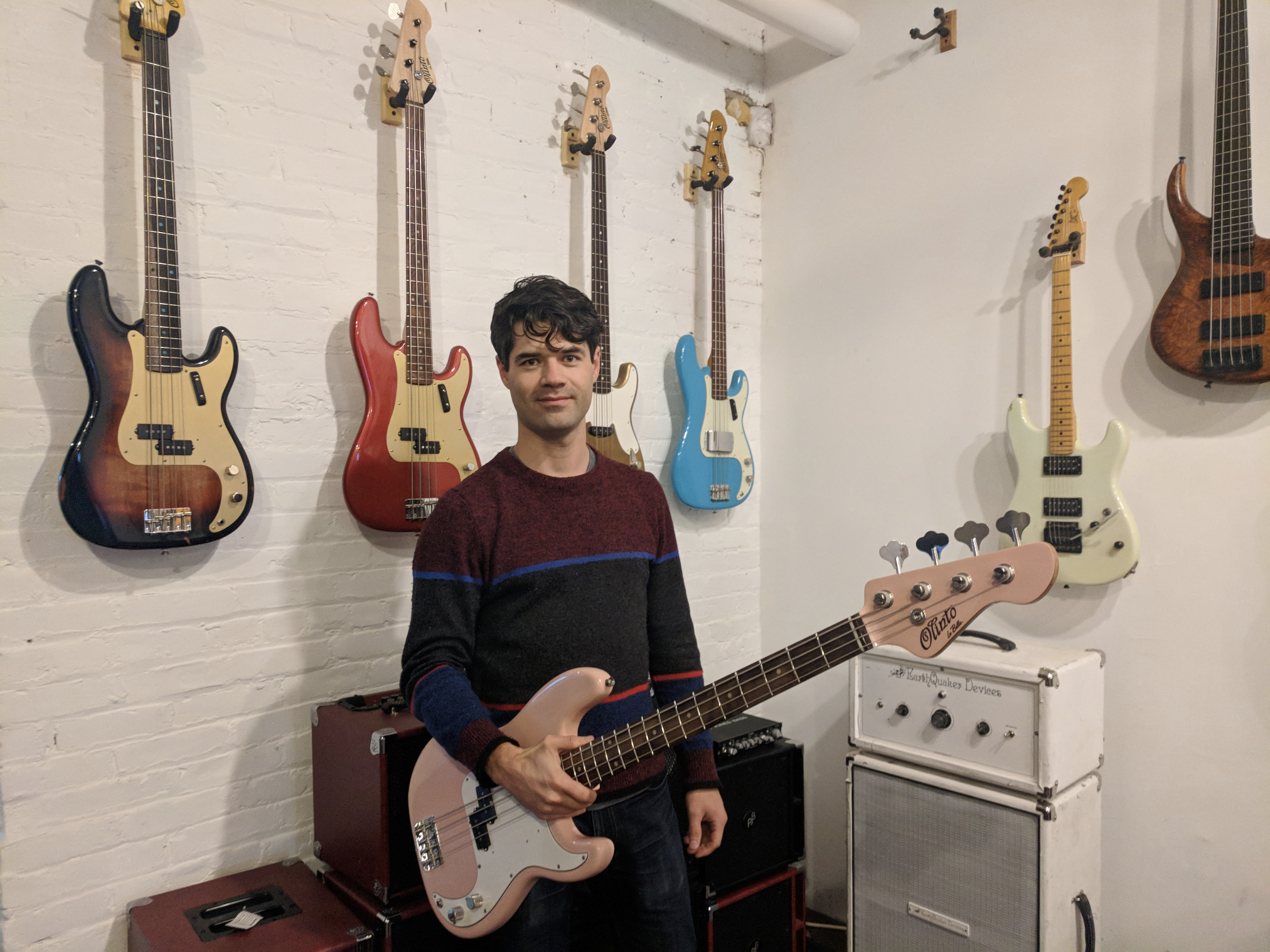
A long-running need to make instruments play better.
I've been working on guitars and basses for as long as I've been playing them. I pulled apart my first bass simply to learn how it was put together and how to make it play better.
Ever since, and throughout my career as a professional bassist, I've had a slight obsession with making every instrument in my possession play as effortlessly as possible. That was never just about low action. It was about getting the neck, bridge, strings, pickups, and electronics to respond as one instrument under a particular set of hands.
That work led to an apprenticeship with Steve Balkun at Balkun Guitars in Hartford, Connecticut, and eventually a position managing the Warwick Basses and Framus Guitars North American showroom and repair shop in New York City.
While at Warwick and Framus, I worked with hundreds of professionals and hobbyists to set up and customize their instruments and optimize them for their playing style. The player, not a generic specification, is the final reference point.
I relocated back to the Denver area in 2017 and am here offering that experience to its community of musicians. My goal is to help you achieve a direct, easy connection with your music through an instrument that is calibrated and finely tuned for you.
“His experience as a musician allows him to have a deep understanding of how the setup of the instrument affects the player creatively.”
James Searl
Giant Panda Guerilla Dub Squad
Why the player matters.
The same measurement can feel different in different hands.
A harder attack needs room for the string to move. A lighter touch may let the instrument run lower. A pickup height that gives one player the response they want may feel compressed or uneven to someone else. The strings and tuning you choose change tension. The bridge design changes what can be adjusted and how those adjustments interact.
That is why the appointment starts with a conversation. I want to know what the instrument does now, where it gets in your way, and what you need from it at the next rehearsal, show, or session.
Bring the instrument. Bring the complaint.
You do not need to diagnose it before you call. Tell me what is happening and we will set a time to look at it.